
Welcome to VEWOM™
VEWOM™ is a process that uses Gandhian principles with today’s technology and encourages villages to work together to meet their energy and water needs on one hand and reduce water consumption on the other. Of the total water consumed in the country, more than half is used in agriculture, quite a lot of which is wasteful.
VEWOM™ is a process that encourages farmers to use technology to the extent necessary for their agriculture, and domestic use. Significant increase in population has caused lowering of the water table throughout the country. The risk of water scarcity in India is not far for farming as well as domestic purposes.
Learn MoreFrom the Collector's Desk
Pushpendra Kumar Meena
Dist. Collector, Durg (C. G.)
Date: 1 Dec 2022
I was introduced to Mr. Shishir Tamotia, an OCI (Overseas Citizen of India) by a common friend when he informed me about his pending patent for VEUOM®. This is based on Gandhi Ji’s philosophy of Gram Swaraj (Village self-rule). Gandhi Ji conceived of an independent India consisting of 700,000 villages (Before partition it used to be 700,000 which is now about 650,000).
Mr. Tamotia has developed a process named VEUOM® and have chosen Durg district for its first implementation. I hope this would be a game changer for the district once implemented in all the 304 villages.
Additionally VEWOMTM also takes care of the depleting water level caused by indiscriminate use of water for human application. Thus VEWOMTM , includes a process to secure the depleting sub-soil water table too in the country.
The government of Chattisgarh has been laying great emphasis on the Narwa Ghurwa scheme wherein a shelter is provided for the cows, and this scheme will be an addition to the innovation government is working on.
I wish the VEWOM team complete success and hope to see the villages in the district flourish at its best.
From the Dist.- Raipur Collector's Desk
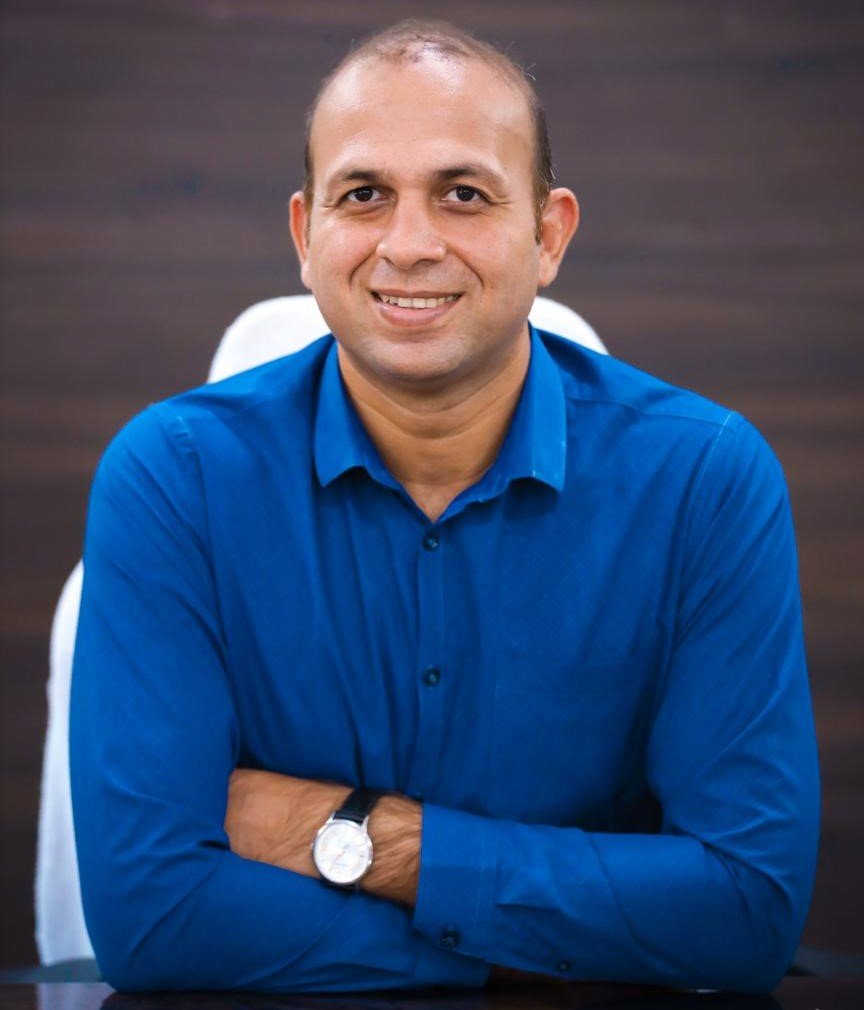
Dr. Sarveshwar Narendra Bhure
Dist. Collector, Raipur (C. G.)
I have been given to understand that VEWOMTM (A Non-Profit organization) has taken upon itself a unique project for the village development in the district of Durg. The project is based upon the Gandhian methodology of “Gram Swaraj,” wherein individual villages produce their utilities, including energy and water. It would also help reduce water consumption in farming while the town would receive a treated domestic water supply.
VEUOM® is a process developed by Shri Shishir Tamotia, an OCI involved in helping Indian villages by helping themselves. VEWOMTM is the marketing company involved in this CSR activity.
The pilot is scheduled to be completed in the current calendar year and the same may be replicated in one full calendar year at all other villages in the district. Though an optimistic target, I am confident that this will be a game-changer.
The government of Chattisgarh has been laying great emphasis on the Narwa Ghurwa scheme wherein a shelter is provided for the cows, and this scheme will be an addition to the innovation government is working on.
I wish the VEWOM team complete success and hope to see the villages in the district flourish at its best.
From the desk of CEO, District Panchayat, Mahasamund
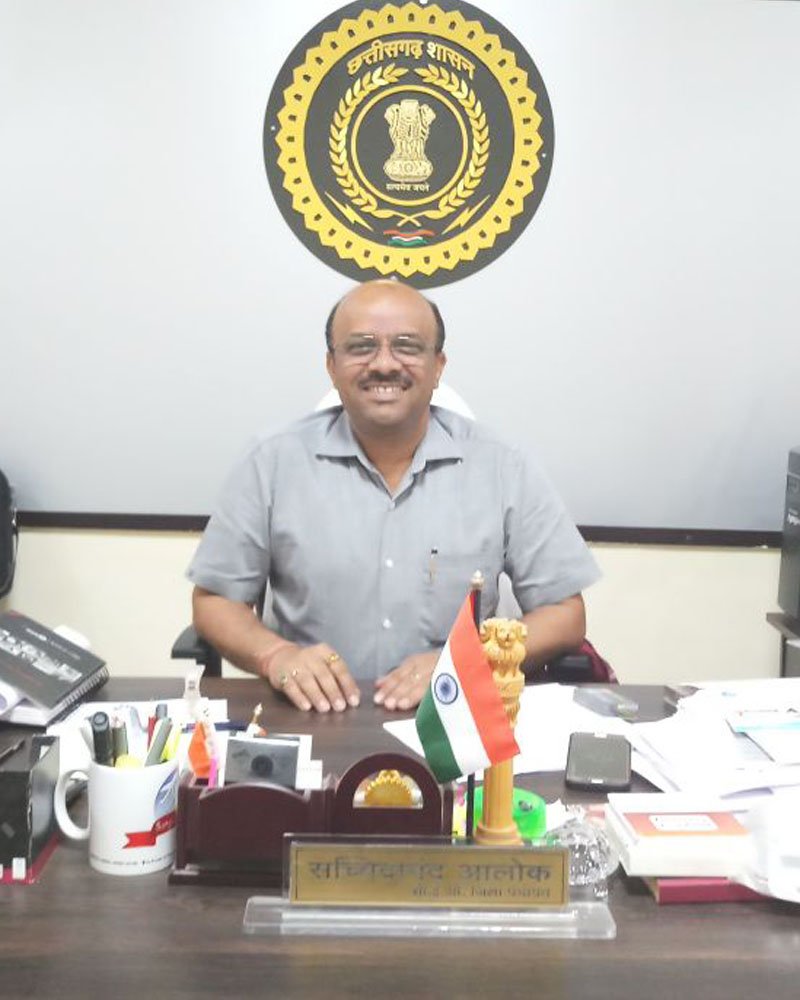
Mr. S. Alok
CEO, Village Panchayat’s,
District: Mahasamund, Chattisgarh
The Panchayat’s in the Villages in Chattisgarh have been working quite sincerely to improve their living standard and also to resolve local governance issues. VEWOMTM is a very special effort integrating the energy needs of the village. The innovation exhibited in the process is certainly worth mentioning and I hope that this could be the precursor to accelerated growth in villages.
While we in the government do make best efforts to ensure that the benefits of the progress reach the last man in the village the unique methodology adopted in VEWOMTM implementation by an independent organization using their own financial resources is worth commending.
I wish the group every success and am committed to providing all the help needed to implement the project.
From the Desk of Prof. Vikram Vishal
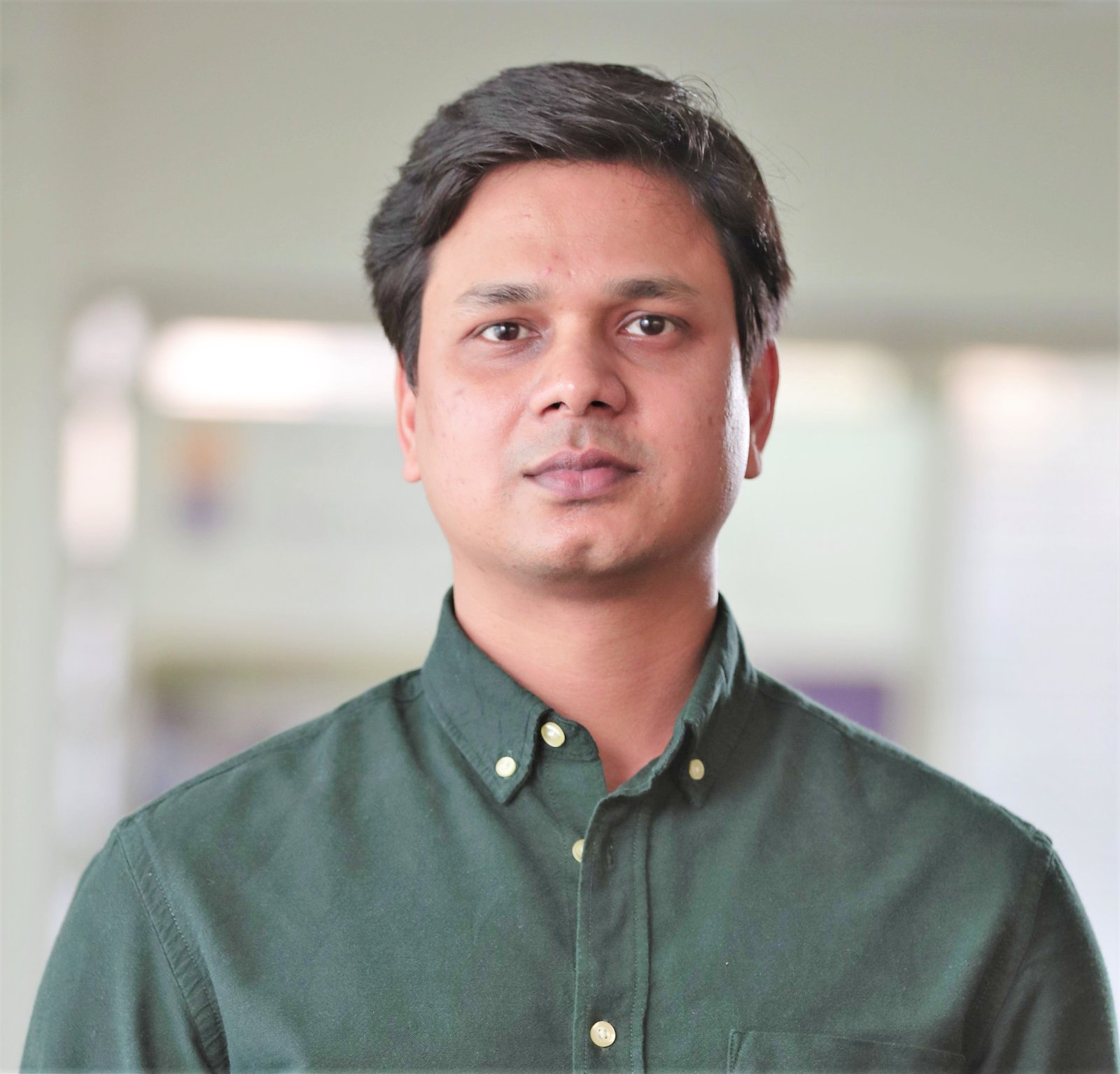
Prof. Vikram Vishal
Associate Professor,
Department of Earth Sciences and
Interdisciplinary Programme in Climate Studies
Indian Institute of Technology Bombay, Mumbai, India
Date: 30th June 2021
I have known Mr. Shishir Tamotia, the inventor of VEUOM® - the process designed to develop villages in India based on Mahatma Gandhi’s bottom-up idea for national growth after independence. VEWOM™ is the Trademark developed by Mr. Tamotia committed to transferring the income from the patent / Trademark to the villagers.
Gandhi Ji has written extensively on Gram Swaraj to commence growth on the bottom-up processes rather than top-down. Mr. Tamotia’s experiment is certainly a novel idea to implement the concept to meet the energy demand in the villages in India.
I did discuss with Mr. Tamotia the concept and am confident that it would be a successful venture. Support of the Panchayat and the district officials in implementing the idea is unprecedented. I understand that Mr. Tamotia has also approached NTPC, the largest electricity producer in the country, to help and support the project.
The role of the Village Panchayat is quite significant, and I am sure we would achieve great success in attaining Gram Swaraj of Mahatma Gandhi. I wish Mr. Tamotia, District of Durg, and the village Patora a great success with this praiseworthy initiative.
VEWOM™ (Village Energy Water and Organic Manure)
VEWOM™ is a Trade mark for the process termed VEUOM®(Patent applied) – A Process Developed by Shishir Tamotia based on Gandhian Gram Swaraj
VEUOM® is a “bottom-up” process designed on the principles of Gandhi Ji’s “Gram Swaraj” (Independent Village).
It is likely to fulfil following objectives in India:
- Meet the needs of Kitchen fuel substituting LPG through an efficient conversion of Kitchen waste and cow-dung into
Methane and associated gases
- Use the latest technology to improve Methane content including Metal Organic Framework (MOF)
- Ensure 24x7 treated Metered water to each house in the village
- Provide organic manure to substitute Chemical fertilizers
- Reduce N2O emission due to the use of chemical fertilizers
- Create high quality employment in the villages in India likely to reach about 25 Crores (i.e. to about 50% of the adult population
between 25 and 60 years
Ruparchana Vyom - Risali / Talpuri
- Meet the needs of Kitchen fuel substituting LPG through an efficient conversion of Kitchen waste and cow-dung into
Methane and associated gases - Use the latest technology to improve Methane content including Metal Organic Framework (MOF)
- Ensure 24x7 treated Metered water to each house in the village
- Provide organic manure to substitute Chemical fertilizers
- Reduce N2O emission due to the use of chemical fertilizers
- Create high quality employment in the villages in India likely to reach about 25 Crores (i.e. to about 50% of the adult population
between 25 and 60 years
Ruparchana Vyom - Risali / Talpuri
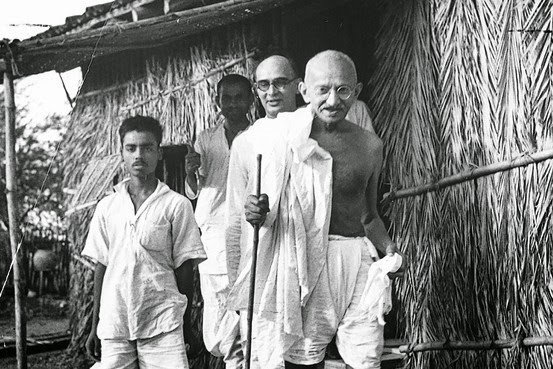
Gandhian concept of village development – Year 1920
- Gram Swaraj – self rule in villages.
- Village to be identified as the smallest unit for governance.
- Produce all the needs locally.
- Minimize needs to the extent possible.
COP 26 – Sustainable Development Goals (SDG) at Glasgow UNFCCC
The VEWOM Initiative is unique in supporting all 17 United Nations’ Sustainable development Goals (SDGs)
VEWOM™ & SDG……1
- End Poverty in all its forms – Production of Energy (electricity & Gas) using local material and human resources + Project RoI over 93%
- Zero Hunger – Huge employment generator (Local)
- Health – Improved working conditions for all, especially women.
VEWOM™ & SDG…….2
- Energy – Generation of energy using sun and agro-waste.
- Economic Growth – Initial investment of about a 250 Million dollars (RoI 20%).
- Infrastructure Industrialisation – Part of the project.
VEWOM™ & SDG……..3
- Climate Change – Reduce Carbon emissions (by about 1100 Tons per village per year).
- Oceans – Related to climate change.
- Biodiversity, Forests, Desertification – Keeping village economy live adds to all the three.
Village Energy Water & Organic Manure
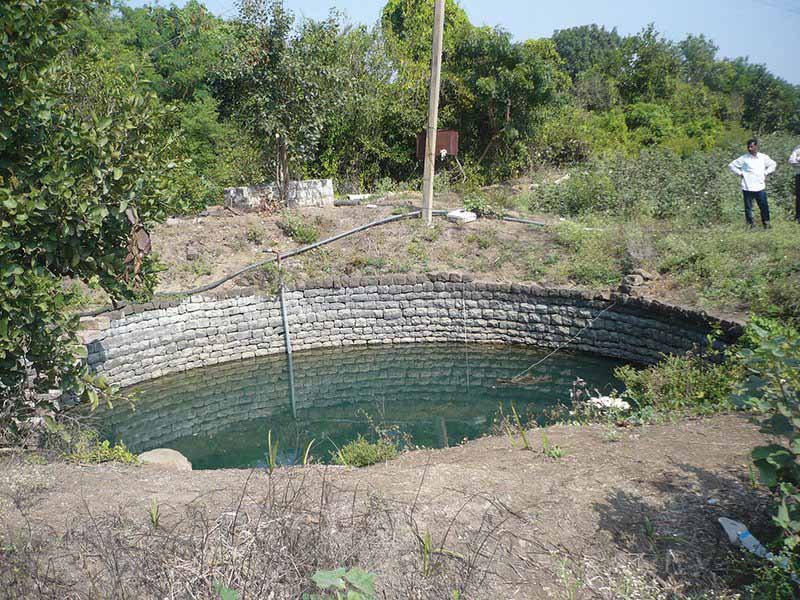
Water Model
Sustainable Farming and Water Conservation Model for Rural India
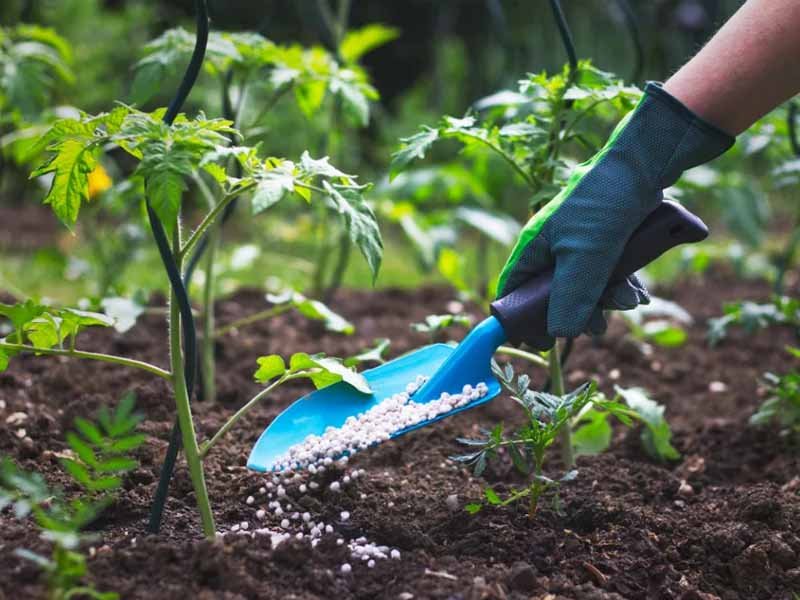
Elemination
Eliminate use of Chemical fertilizers
Rural India – basic needs unmet

30%
Rural Poverty65% of rural dwellers employed in agriculture

30 million homes
no access to electricity45% of rural India relies on firewood for cooking

>40% rural homes
without drinking water at premisesyet 80-90% of Indian water resources used in agriculture

Urea overuse
due to Government subsidiesCrop response falling: 13kg grain / kg NPK 1970 4kg grain / kg NPK 2005